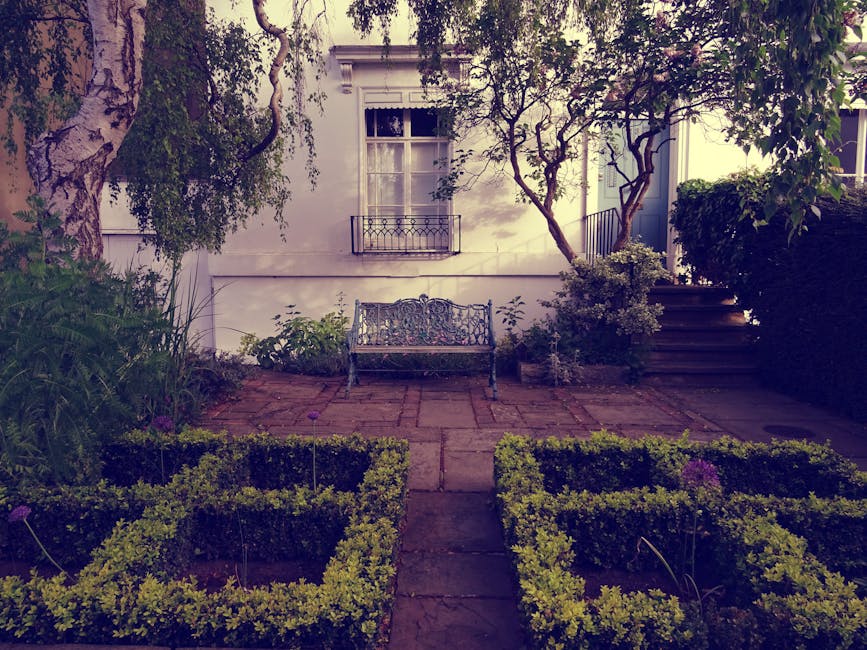
Anerley Road Small Garden Gardeners Who Service SE20: Practical Help for Compact London Gardens
Small gardens can be brilliant. They can also be a little demanding, especially in SE20 where space is tight, boundaries are close, and every square metre has to earn its keep. If you are looking for Anerley Road small garden gardeners who service SE20, you are probably after something more specific than a generic garden maintenance visit. You want people who understand compact plots, shady corners, awkward access, and the simple fact that a tiny garden can still take real thought to look good.
This guide walks through what small-garden services usually involve, how the process works, what to expect from a good local gardener, and how to avoid the classic mistakes that make a small space feel even smaller. We will also cover when professional help makes sense, what methods suit tighter gardens, and how to judge whether a service is actually right for your place on or near Anerley Road. To be fair, a small garden often needs more care than a bigger one. Less room means less margin for error.
If you are trying to decide between a one-off tidy-up, regular maintenance, planting help, or a full redesign, this article should give you a calm, realistic starting point. No fluff. Just the useful stuff.
Table of Contents
- Why Anerley Road small garden gardeners who service SE20 Matters
- How Anerley Road small garden gardeners who service SE20 Works
- Key Benefits and Practical Advantages
- Who This Is For and When It Makes Sense
- Step-by-Step Guidance
- Expert Tips for Better Results
- Common Mistakes to Avoid
- Tools, Resources and Recommendations
- Law, Compliance, Standards, or Best Practice
- Options, Methods, or Comparison Table
- Case Study or Real-World Example
- Practical Checklist
- Conclusion
- Frequently Asked Questions
Why Anerley Road small garden gardeners who service SE20 Matters
Small gardens in SE20 tend to face a familiar mix of issues: uneven light, narrow access, hard surfaces that trap heat, and planting beds that dry out quickly in warm spells. Add urban dust, a bit of wind funnelling between buildings, and the normal pace of London life, and suddenly even a modest garden starts asking for attention more often than you expected.
That is where specialists who understand compact gardens make a real difference. A gardener working in this kind of space is not just cutting grass or pulling weeds. They are often thinking about proportion, drainage, plant resilience, and how to make a garden feel bigger without turning it into a sterile showpiece. The best results usually come from practical decisions made early: choosing the right plants, keeping surfaces clean, and shaping the garden so it is easy to maintain.
There is also a psychological side to it. A tidy, well-planned small garden can change the feel of a home almost instantly. One clear path, one well-kept border, one properly pruned shrub can make the whole place feel calmer. If you have ever stepped into a back garden after a proper refresh and thought, "Ah, that's better," you will know exactly what I mean.
For nearby services and wider local garden support, some readers also explore gardeners in South East London when comparing coverage across the area, or look at garden maintenance services if they need ongoing care rather than a one-off visit.
How Anerley Road small garden gardeners who service SE20 Works
In practice, small garden care starts with a clear assessment. A good gardener will look at how much light the space gets, how water moves across the plot, which plants are thriving, and where the problem areas sit. In a small garden, every detail matters. A single overgrown shrub can block light from three other plants. A shallow drain issue can make a corner unusable. One neglected fence line can make the whole garden feel tired.
Most services for compact gardens fall into a few common patterns:
- One-off tidy-up for a garden that has simply got away from you.
- Regular maintenance to keep things neat, healthy, and manageable.
- Seasonal care such as spring refreshes, autumn clearance, and winter pruning.
- Planting and layout help for improving structure, colour, and year-round interest.
- Small space redesign for gardens that need a better layout, not just a clean-up.
On a typical visit, the work might include weeding, pruning, hedge trimming, deadheading, edging, feeding, mulching, and clearing debris. If there is a lawn, it may need careful cutting and edging rather than aggressive treatment. If there is no lawn, the focus often shifts to surfaces, containers, raised beds, and keeping the garden visually balanced.
Sometimes the smartest thing a gardener can do is remove rather than add. Too many plants in a small space can create visual noise. A well-chosen structure, a few reliable shrubs, and some seasonal interest often beats an overcrowded display. Truth be told, that is where small-garden work gets a bit more skilled than people expect.
For readers thinking about more defined service areas or neighbourhood support, related pages such as gardeners in Bromley and local SE London gardeners can help frame what nearby coverage looks like.
Key Benefits and Practical Advantages
The advantages of hiring someone who genuinely understands small gardens are practical, not flashy. You are paying for judgement, efficiency, and fewer avoidable mistakes. That may not sound dramatic, but in a compact SE20 garden, it matters a lot.
1. Better use of limited space
A small garden cannot carry clutter for long. A skilled gardener will spot ways to improve flow, open up sightlines, and make borders, seating areas, and planting zones work together. A few smart changes can make a narrow space feel more spacious than it is.
2. Less ongoing maintenance stress
If you work full-time, travel often, or simply do not enjoy the constant cycle of tidying, weeding, and pruning, regular help can stop the garden from becoming another weekly burden. A small garden gets messy quickly, then oddly enough it also feels harder to put right. Regular care breaks that loop.
3. Healthier planting
Small gardens often have microclimates. One end may be sunny and dry while another stays damp and shaded. A gardener who notices this will recommend plants that actually suit the site, rather than relying on generic "easy" choices that fail after the first season.
4. Better kerb appeal and home value perception
A tidy front or rear garden gives a property a more cared-for look. You do not need a magazine-style transformation. You need neat edges, healthy planting, and a sense that the space is looked after. It is a subtle thing, but it lands.
5. Safer, tidier outdoor space
Overgrown paths, unstable pots, slick paving, and hidden trip hazards can become annoying or even risky. Good maintenance reduces those issues without turning the garden into something overly formal or stiff.
| Need | What a small-garden specialist typically focuses on | Why it helps |
|---|---|---|
| Space feels cramped | Pruning, layout tweaks, selective thinning | Opens sightlines and reduces visual clutter |
| Plants keep failing | Light, soil, drainage, plant choice | Improves long-term plant health |
| Garden takes too much time | Routine maintenance and seasonal scheduling | Keeps work manageable |
| Outdoor area looks tired | Edge definition, cleaning, replanting | Restores a cared-for appearance |
| Access is awkward | Planning, compact tools, careful workflow | Makes the job efficient and less disruptive |
Who This Is For and When It Makes Sense
This kind of service is a good fit if your garden is modest in size, heavily used, or simply not giving you much joy at the moment. That includes rear gardens attached to terraced homes, narrow side returns, small front gardens, courtyard spaces, and shared outdoor areas where neatness matters.
It also makes sense if you know what you want the garden to feel like but do not have the time, confidence, or tools to get it there yourself. Maybe you want a place to sit with coffee in the morning. Maybe you want safer access for children or older relatives. Maybe you just want the sight of healthy greenery instead of a jumble of pots and weeds. All fair enough.
This service is especially useful if:
- your garden is under around "small patio" size and needs careful planning
- you have mixed sun and shade conditions
- you are dealing with awkward corners, narrow paths, or limited storage
- your planting is overgrown or underperforming
- you need monthly or seasonal help rather than a full redesign
- you want a garden that looks good without constant effort
It may be less useful if you are looking for a large landscape build, major hard landscaping, or a very formal design project. Those jobs often need a different type of contractor or a broader design-and-build process. If you are not sure, start with an honest assessment and a short site visit. That usually clears things up quickly.
Step-by-Step Guidance
If you are hiring help for a small SE20 garden, the process should feel straightforward. Not rushed, not vague. Here is a sensible way to approach it.
Step 1: Define what you want the garden to do
Before anything else, decide what matters most. Do you want less maintenance, more colour, better privacy, a place to sit, or a cleaner overall look? Small gardens do best when there is a clear purpose. Without one, they can drift into a bit of everything and end up looking busy.
Step 2: Walk the space with a critical eye
Notice where it feels bright, where it feels cramped, and what is causing the most frustration. Is it the weeds? The lack of storage? A tired fence? Bad drainage after heavy rain? Make a simple list. It is amazing how much faster a good decision happens once the problems are named clearly.
Step 3: Choose the right level of service
If the space is only slightly untidy, a maintenance visit may be enough. If the garden has become overgrown, start with a clearance and reset. If the layout itself is the issue, consider a small redesign or planting plan. Small gardens often improve most when you deal with the structure first and the decoration second.
Step 4: Agree on priorities before work starts
This is a practical one. A gardener may be able to do a lot, but not everything at once. Be specific about what should happen first: hedge shaping, weed removal, border tidy-up, pot refresh, or lawn care. Clear priorities save time and avoid the "I thought we meant that over there" moment.
Step 5: Review the result and maintain it
After the first visit, look at what has changed. Is the space easier to move through? Does it feel lighter? Are the plants in better balance? Then decide how often you need follow-up help. Many small gardens benefit from regular, lighter touches instead of occasional major rescue missions.
Practical summary: The best small-garden service is not always the biggest one. It is the one that removes friction, improves the garden's shape, and fits the way you actually live.
Expert Tips for Better Results
Small gardens reward restraint. That is probably the biggest lesson. If you try to do too much, the space starts fighting back.
Use fewer plant types, but use them well
Repeated planting creates rhythm. A small garden can look calmer with a limited palette of plants chosen for texture, height, and season rather than sheer variety. One reliable evergreen, one flowering shrub, one soft herbaceous layer. That kind of balance often works beautifully.
Think vertically
When ground space is scarce, height becomes valuable. Trellis, wall climbers, narrow uprights, and carefully trained shrubs can lift the eye upward. Just do not block light from windows or make the space feel boxed in. There is a line, and it is easy to cross it.
Prioritise edges
Neat edges make a small garden feel deliberate. A crisp border, a defined path, or a tidy gravel line can do more for the overall impression than adding extra plants ever will. In our experience, this is one of the quickest wins.
Keep maintenance realistic
A garden should suit your routine. If you only have time every few weeks, choose plants and layouts that forgive a little neglect. A beautiful garden that you cannot maintain becomes a source of stress. Not ideal, obviously.
Match planting to the site, not the wish list
It is tempting to choose plants you like in the abstract. But a shady, enclosed garden in SE20 will not behave like a sunny terrace in a brochure. Good gardeners work with reality, not fantasy. Sensible, maybe a bit unglamorous, but it saves money and disappointment.
For ongoing upkeep, some homeowners also pair small-garden work with lawn care and mowing support or hedge trimming services when the structure of the garden needs precise, repeatable attention.
Common Mistakes to Avoid
Small gardens can go wrong in predictable ways. The good news is that most of them are fixable.
- Overplanting: too many plants packed together create competition, poor airflow, and a cramped feel.
- Ignoring light levels: a sunny plant in deep shade is set up to struggle.
- Using oversized furniture: a bulky bench or table can swallow a compact garden whole.
- Letting maintenance slide: in small spaces, neglect shows fast.
- Chasing trends instead of function: a fashionable material is not much help if it becomes slippery, hot, or hard to care for.
- Forgetting access and storage: if tools, bins, or watering equipment have nowhere sensible to live, clutter builds up quickly.
One common mistake deserves special mention: treating a small garden like a mini version of a large one. It is not. The design logic changes. Fewer features, better placement, cleaner lines. That is usually the winning formula.
Tools, Resources and Recommendations
You do not need a shed full of specialist kit to maintain a small garden, but the right tools make a noticeable difference. A good gardener will usually bring sharp hand tools, pruning equipment, secateurs, a compact hedge trimmer where appropriate, and basic clearing gear. For home upkeep, a short list is enough.
Useful tools for compact gardens
- secateurs for regular light pruning
- hand fork and trowel for border work
- stiff broom for paths and patios
- watering can or hose setup that reaches all corners
- gloves and a small trug or bucket for debris
- simple edging tool for keeping lines neat
As for resources, the best ones are often practical rather than digital. A rough sketch of your garden, a photo taken on a bright day, and a list of what annoys you most are more helpful than a pile of inspiration images that do not fit the actual space. If you do want to explore related local service pages, the tree surgery and pruning support page can be relevant where overhanging branches are affecting light or safety, and the grass cutting service page may help if lawn care is part of the maintenance picture.
Here is a simple rule of thumb: if a tool or resource helps you keep the garden tidy in under ten minutes, it probably earns its place. If it complicates the job, it probably doesn't.
Law, Compliance, Standards, or Best Practice
Most small garden work in SE20 is straightforward, but there are still sensible standards to follow. These are less about red tape and more about respect, safety, and neighbourly practice.
For example, waste should be handled responsibly, especially after clearances or pruning jobs. Garden waste, green cuttings, and soil should not be dumped casually. Good practice is to remove it through proper routes or agreed disposal methods. If a service includes waste removal, clarify that upfront.
If work affects shared boundaries, fences, or overhanging growth, it helps to be careful and civil. Many disputes are not really about the hedge itself. They are about surprise, noise, access, or assumptions. A quick conversation with neighbours can prevent more trouble than you might expect.
For pruning and tree-related work, cautious practice matters. Not every branch should be removed just because it is there. Timing, plant health, and the long-term shape of the plant all matter. In the UK, a careful gardener will usually work conservatively unless a stronger cut is clearly needed. That is generally the safer route.
Good standards also mean punctuality, clear quotes, basic insurance where relevant, and tidy finish quality. Nothing fancy. Just professional habits that show the job is being taken seriously.
Options, Methods, or Comparison Table
If you are unsure what sort of help to book, this comparison should make the choice a bit clearer.
| Option | Best for | Pros | Limitations |
|---|---|---|---|
| One-off tidy-up | Overgrown or neglected small gardens | Fast reset, immediate visual improvement | Does not prevent regrowth without follow-up |
| Regular maintenance | Busy homeowners who want order all year | Keeps work manageable, consistent results | Requires ongoing schedule and budget |
| Seasonal care | Gardens that change with the year | Matches tasks to spring, summer, autumn, winter | May leave gaps between visits |
| Planting refresh | Gardens that look tired but are structurally fine | Improves colour, texture, and resilience | Needs good plant selection and aftercare |
| Small redesign | Spaces that feel awkward or poorly laid out | Can transform usability and appearance | Usually takes more planning and cost |
For many SE20 gardens, the best result comes from combining methods. A tidy-up first, then a seasonal maintenance plan, then targeted planting. Simple. Effective. No drama.
Case Study or Real-World Example
Picture a narrow rear garden off Anerley Road: a small paved seating area, a strip of border running along one fence, a patchy lawn, and two oversized shrubs competing for light. Nothing catastrophic, just one of those spaces that quietly gets on top of you over a year or two.
The first job would usually be to clear the obvious clutter. Cut back the shrubs enough to restore shape and light. Remove weeds from between paving cracks. Edge the lawn so it stops bleeding into the path. Then look at the planting. If one part of the border is bare and another is overloaded, the space probably needs balancing rather than more plants.
After that, a good gardener might recommend replacing one thirsty, unhappy plant with a tougher alternative that suits the site better. Maybe add mulch to help with moisture retention. Maybe train one climber up the fence to bring the eye upward. The point is not to create a different garden overnight. It is to make the existing one feel cleaner, calmer, and easier to live with.
A week later, the owner usually notices the small things first: more light near the window, less mess underfoot, and a nicer view when the back door opens in the morning. Sometimes that is all a small garden needs. Just a proper reset and a sensible plan after it.
Practical Checklist
Before booking help, use this quick checklist to get clearer on what you need.
- Have you identified the main problem: overgrowth, poor layout, weak planting, or general neglect?
- Do you want a one-off visit or regular maintenance?
- Is the space mainly sunny, shaded, or mixed?
- Are there access issues, narrow paths, or awkward corners?
- Do you need waste removed after the work?
- Are there shared boundaries or neighbour considerations?
- Would simple tidying be enough, or does the garden need a better structure?
- Do you want planting advice as well as maintenance?
- Do you have a rough budget and preferred timing?
- Have you taken photos so you can explain the space clearly?
Quick reality check: if you can answer those questions, you are already ahead of most people. And yes, that makes the first conversation much easier.
Conclusion
A small garden can be one of the best parts of a home in SE20, but only when it is handled with care and a bit of local sense. The right Anerley Road small garden gardeners who service SE20 will not just tidy the space; they will help you make better use of it, reduce maintenance stress, and create something that feels genuinely comfortable to step into.
The key is to match the service to the garden's real needs. Sometimes that means pruning and clearing. Sometimes it means a better planting scheme. Sometimes it means letting go of a few awkward features so the whole space can breathe again. Small gardens do not ask for everything. They just ask for the right things, in the right order.
If you take one idea from this guide, let it be this: a compact garden should feel easy to live with, not like a project that never quite ends. Start with the basics, keep the plan realistic, and let the space grow into itself.
Get a free quote today and see how much you can save.
Frequently Asked Questions
What do Anerley Road small garden gardeners who service SE20 usually do?
They typically handle small-scale garden maintenance, tidy-ups, pruning, weeding, edging, planting support, and sometimes small redesigns. The exact service depends on the condition of the garden and what you want it to achieve.
How often should a small garden in SE20 be maintained?
That depends on the planting and how much use the garden gets, but many small gardens benefit from regular visits every few weeks during the active growing season. Low-maintenance spaces may need less frequent care.
Is a one-off tidy-up enough for a small garden?
Sometimes yes, especially if the garden is generally healthy and just needs a reset. If weeds, overgrowth, or poor layout keep returning, regular maintenance usually gives better long-term results.
What makes small garden gardening different from larger garden work?
Small gardens need more precise decisions. Every plant, path, and border affects how the whole space feels. A mistake that would be minor in a larger garden can dominate a small one.
Can small gardens still have colour and structure all year?
Yes. A well-planned small garden can have strong year-round interest through evergreen structure, seasonal flowers, textured foliage, and careful pruning. It does not need lots of space to look good.
Do I need a full redesign if my garden feels cramped?
Not always. Sometimes pruning, better spacing, and smarter planting are enough. A full redesign is more useful when the current layout is fundamentally awkward or difficult to maintain.
How do I know if my plants are suitable for a shaded SE20 garden?
Look at how well they are growing now. If plants are stretching, dropping leaves, or failing to flower properly, they may be getting the wrong level of light. A gardener can usually assess this fairly quickly on site.
Should I ask about waste removal before booking?
Yes, definitely. It is best to confirm whether green waste, branches, and cuttings will be removed as part of the service or left for you to deal with. That saves confusion later.
What if my garden has awkward access?
That is very common in local London gardens. Narrow side returns, steps, shared paths, and limited storage are all manageable, but they should be mentioned early so the gardener can plan properly.
Are small garden services suitable for front gardens too?
Absolutely. Front gardens often benefit from the same approach: tidy edges, appropriate planting, neat surfaces, and a layout that looks cared for without demanding too much upkeep.
Can gardeners help me choose low-maintenance plants?
Yes. In fact, that is often one of the most useful parts of the service. The best suggestions are usually based on light, soil, drainage, and how much time you realistically want to spend on upkeep.
What should I prepare before the first visit?
A few photos, a rough idea of your priorities, and a list of any access issues will help a lot. If you know what you want the garden to feel like, say that too. Calm, tidy, private, brighter, easier to maintain. Those words matter.
Is regular maintenance better value than occasional big clean-ups?
For many small gardens, yes. Regular care tends to prevent heavy build-up, which means less drastic work later. It also helps the garden stay balanced, which is often what people really want.
What if I only want help with part of the garden?
That is perfectly normal. You might only want the front beds sorted, or the back border refreshed, or the hedge shaped. A good gardener can usually work on the priority area first and build from there.